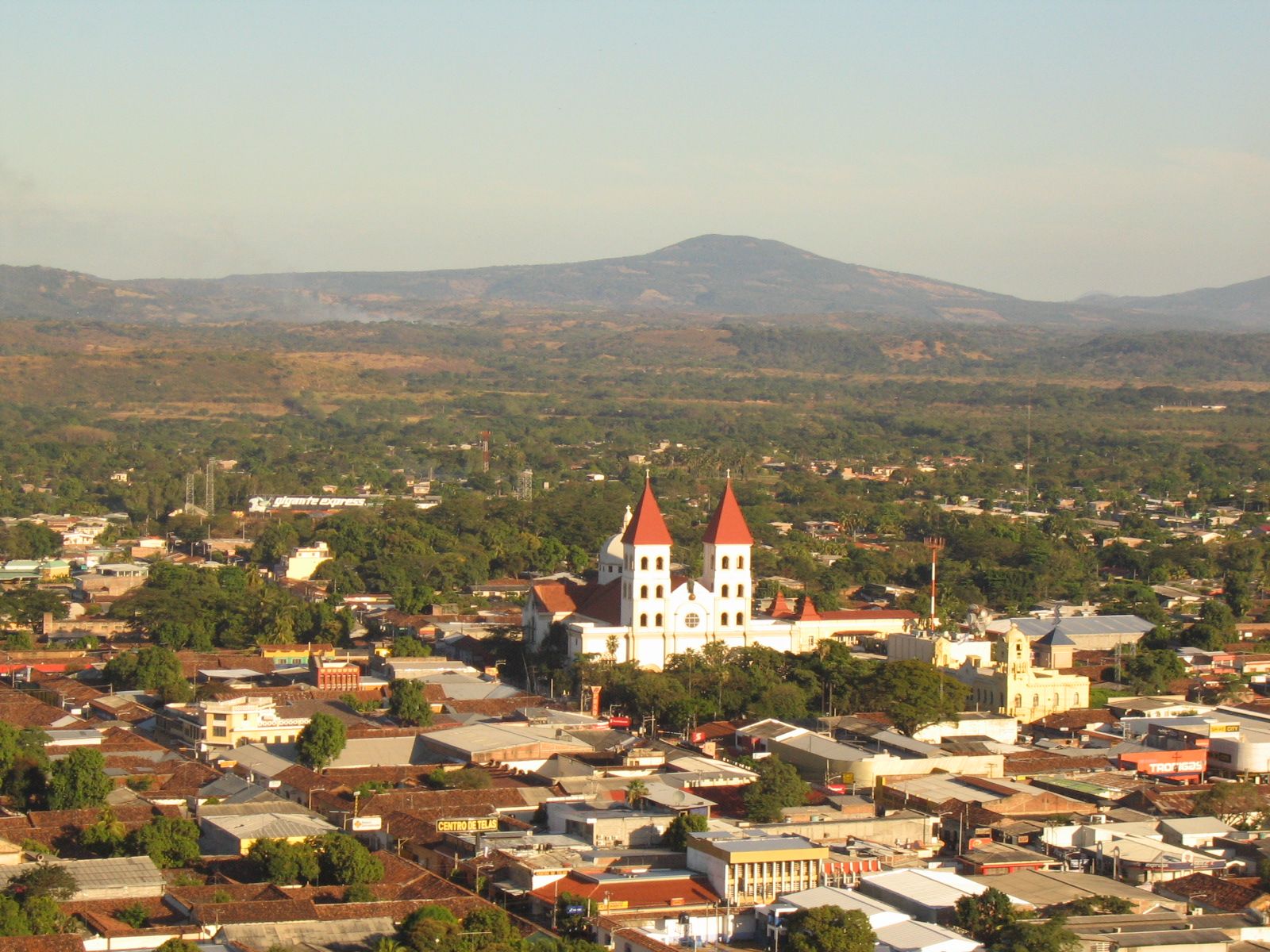
Cultural areas in San Miguel
Casco histórico
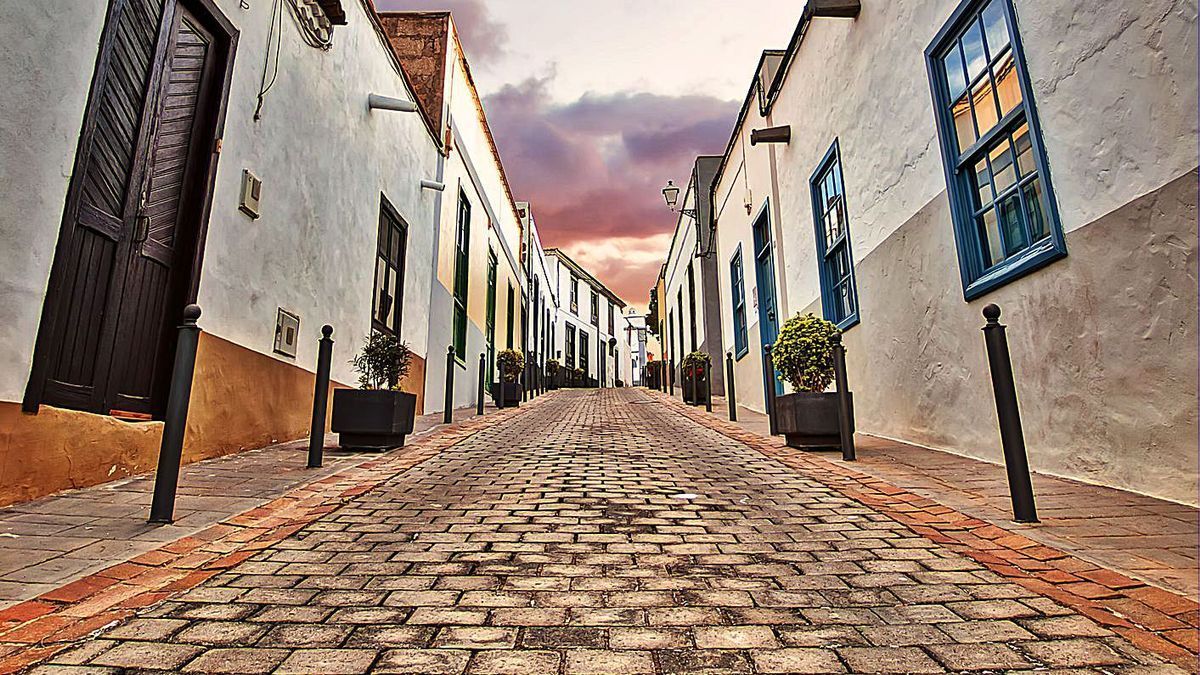
San Miguel is one of those southern municipalities that will win you over with its simplicity and charm from another era. Its historic quarter, declared an Asset of Cultural Interest with the category of Historic Site, is the best preserved traditional urban centre in the south of Tenerife, from an architectural point of view. It will give you the impression of being inside those old black and white photos, but in all their colourful splendour.
The old town extends around the Iglesia de San Miguel Arcángel along the old royal road, now Calle La Iglesia, until you reach El Calvario and the Casa del Capitán, on the outskirts of the town centre. You can start your visit at the Church of San Miguel Arcángel, built in the 18th century to remedy the fact that the villagers had to travel long distances to pray and receive the sacraments in the nearest church. Inside you can contemplate numerous religious images that will take you back in time.
Near the Plaza de la Iglesia you will find a series of traditional buildings, including the Municipal Library, which in its 200 years of life has been used as a prison, town hall, nursery school and even an academy. Visit the birthplace of the illustrious Juan Bethencourt Alonso, a famous anthropologist, ethnographer and historian. His work is of great international importance in the understanding of Guanche culture.
On the north side of La Iglesia de San Miguel you will see the ancient jets that supplied the village with drinking water until well into the 20th century. And if you continue down Calle de La Iglesia you will find various one- and two-storey buildings, dating from the 18th to 20th centuries, which are very significant examples of traditional architecture, as well as of the classicism that became widespread on the island from the middle of the century. Among them, those belonging to the Alfonso and Calzadilla families stand out. The former is a large house in the style of a country estate set in a markedly urban environment. The Casa de los Calzadilla stands out for its volume, flat roof and symmetrical arrangement of openings on the facade.