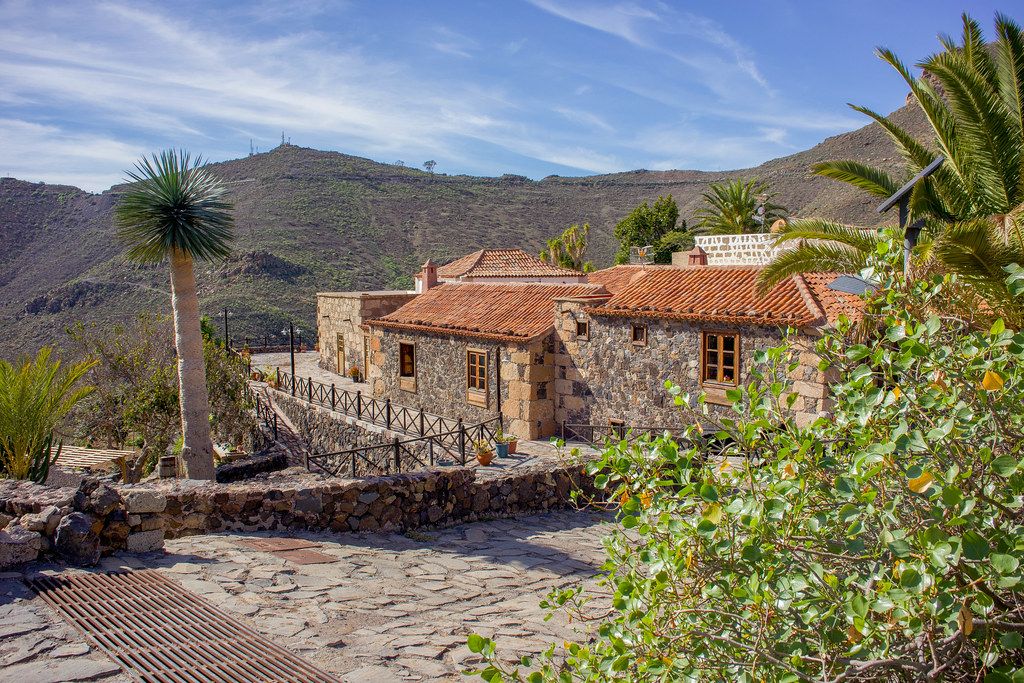
Cultural areas in San Miguel
Caserío La Hoya
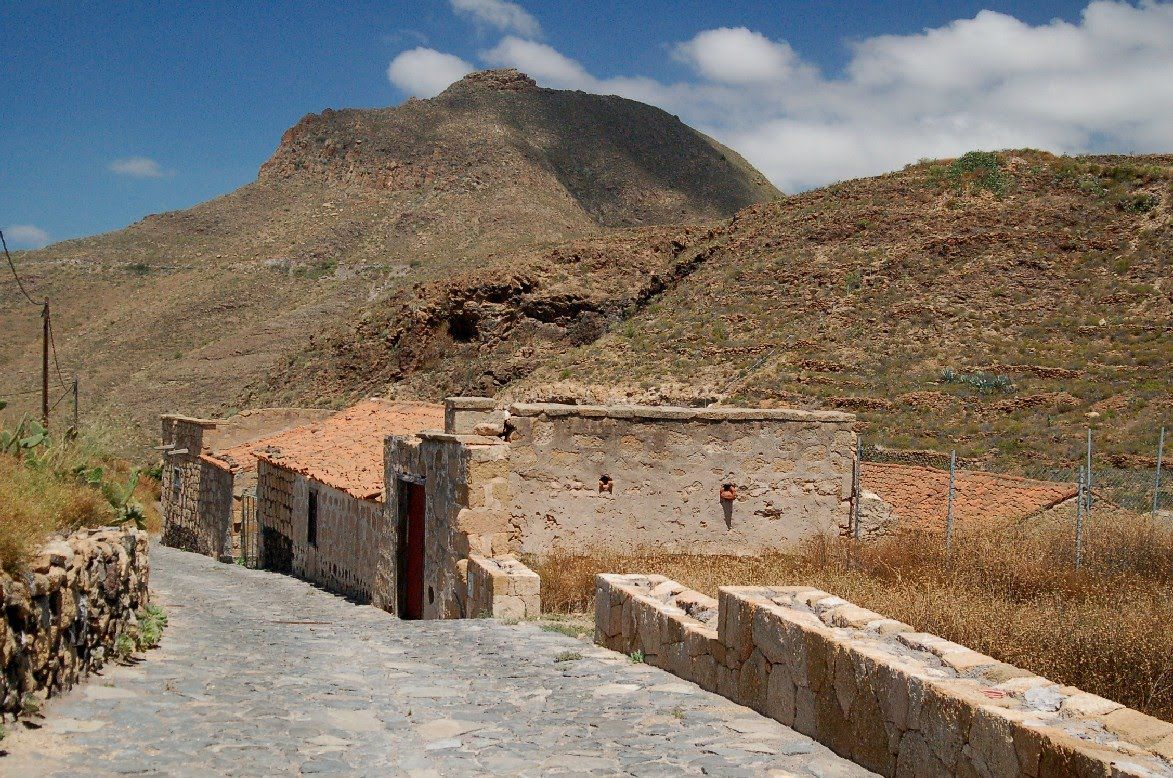
It is true that it is now practically uninhabited, but it was the first place in San Miguel de Abona where the conquistadors settled, and for that reason alone it is worth visiting (as well as the fact that there was an aboriginal settlement here before).
Several of its houses have been renovated and converted into rural accommodation. They are a place of rest for those who long to reconnect with the rural world and disconnect from the stresses and strains of frenetic modern life. It is comforting to stroll along its narrow stone lanes. The surroundings are dominated by crops covered with tosca, volcanic ash with unquestionable properties to retain humidity.
On the walk you come across its old tile oven, from which the traditional curved tiles used in the area’s constructions were made. The farmhouse buildings, made of stone and mud masonry, share a similar structure: a rectangular base divided into two parts separated by a courtyard.
It is easy to make the most of the visit to take a trip to the nearby hamlet of Aldea Blanca, just seven kilometres from San Miguel de Abona. Its Canarian-style farmhouse is a vestige of its past splendour, when it supplied the south of the island. As a curiosity, its oval shape makes it unique in Tenerife.